WAITING IS OVER

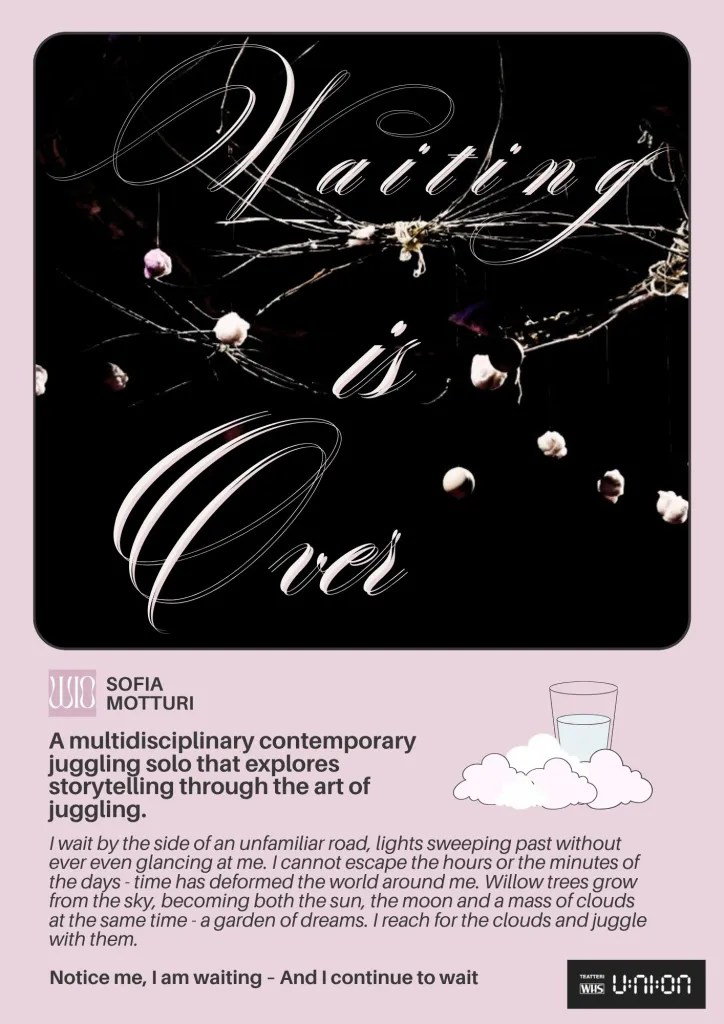
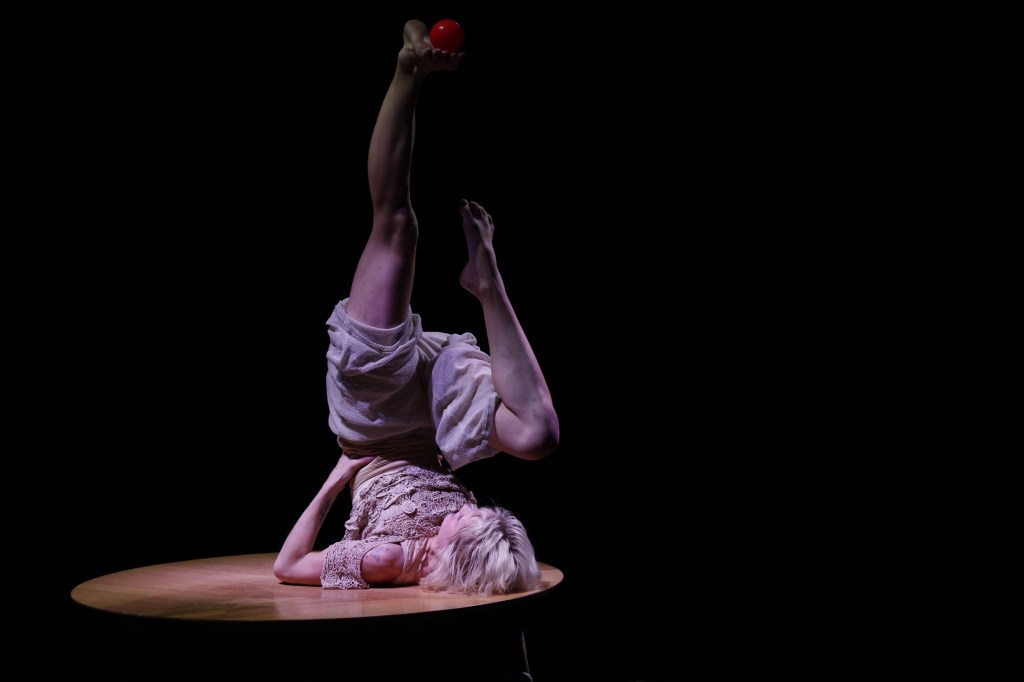
Waiting is over, a full-length multidisciplinary juggling solo piece.
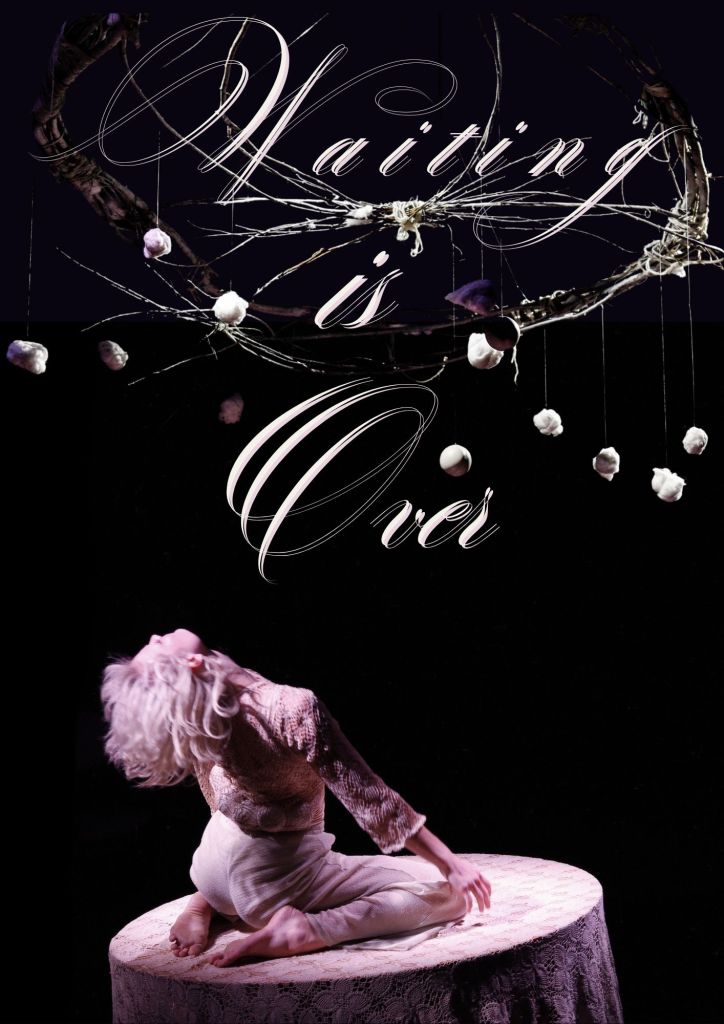
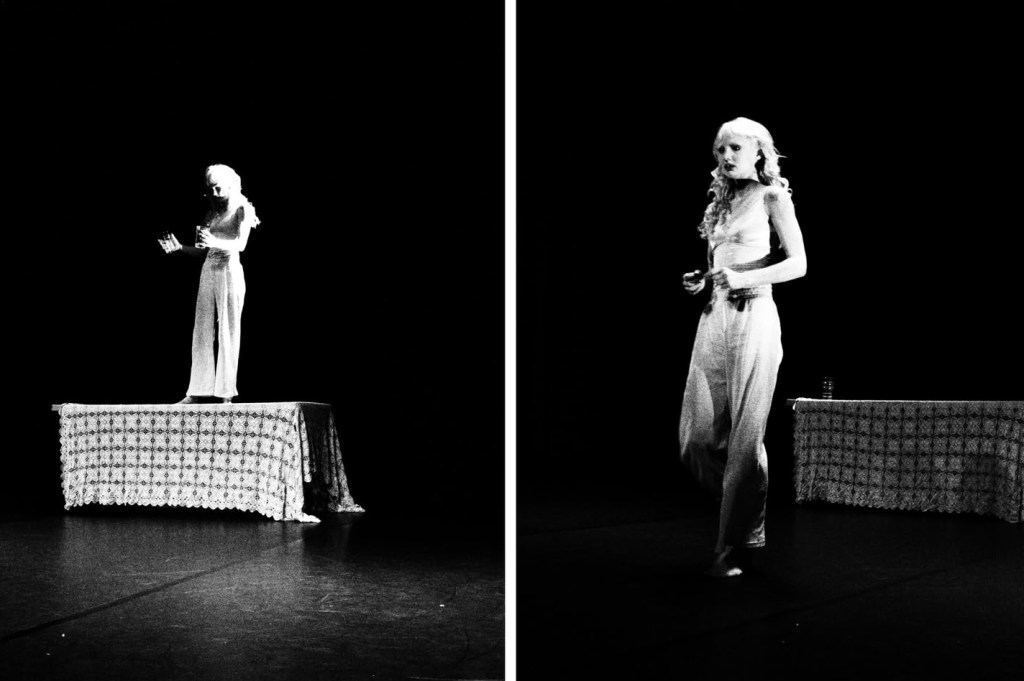
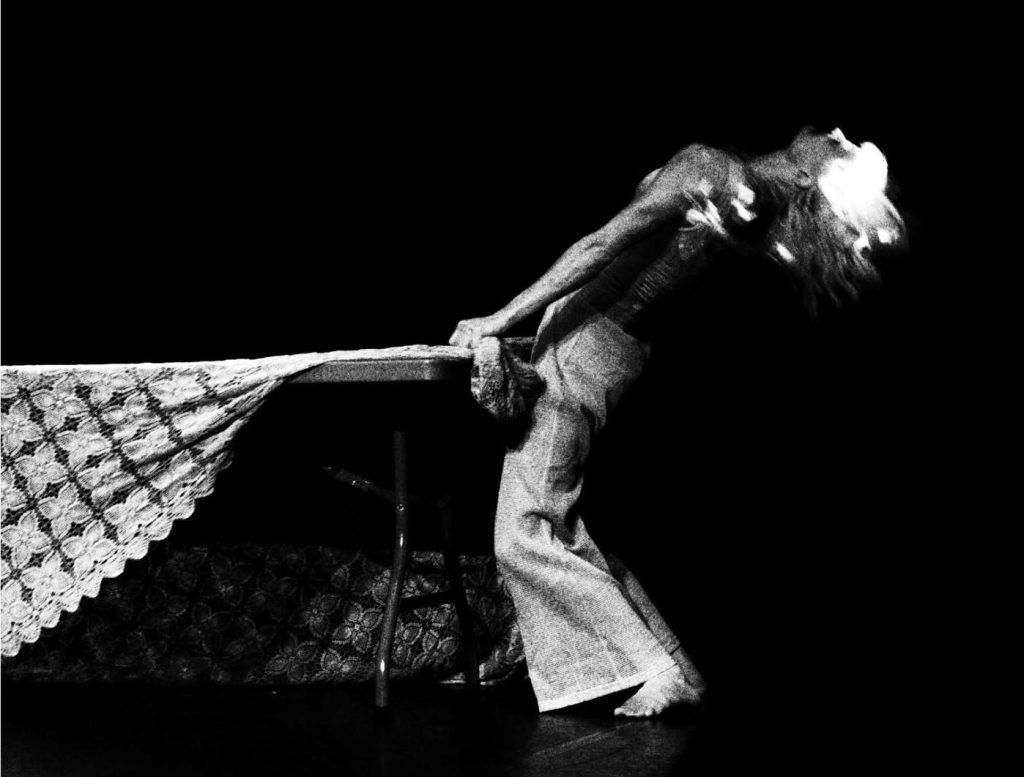
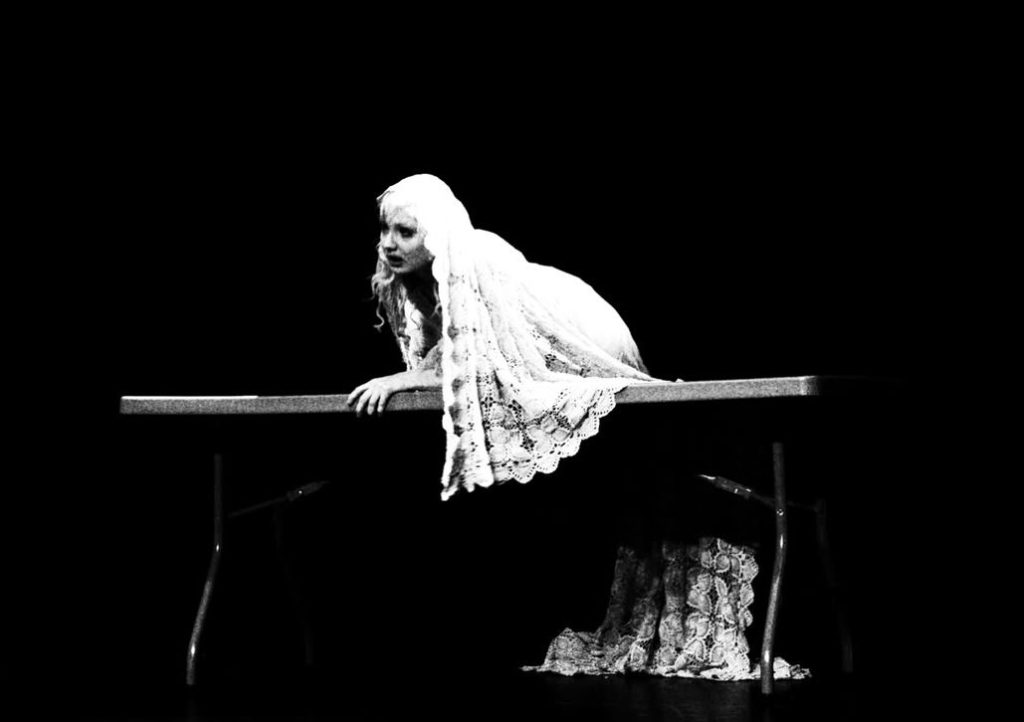
The performance is a multidisciplinary contemporary juggling solo that explores the art of juggling. The realization and artistic direction of the piece are the responsibility of its creator and performer, Sofia Motturi.

TOURDATES:

The performance is a juggling solo that explores storytelling through the art of juggling. While much happens and time changes us, what I am waiting for never arrives; thus, change becomes an illusion. Another day, the same place, the same time — the theme revolves around the uncertainty of hope. 

I wait by the side of an unfamiliar road, lights sweeping past without ever even glancing at me. I cannot escape the hours or the minutes of the days — time has deformed the world around me.


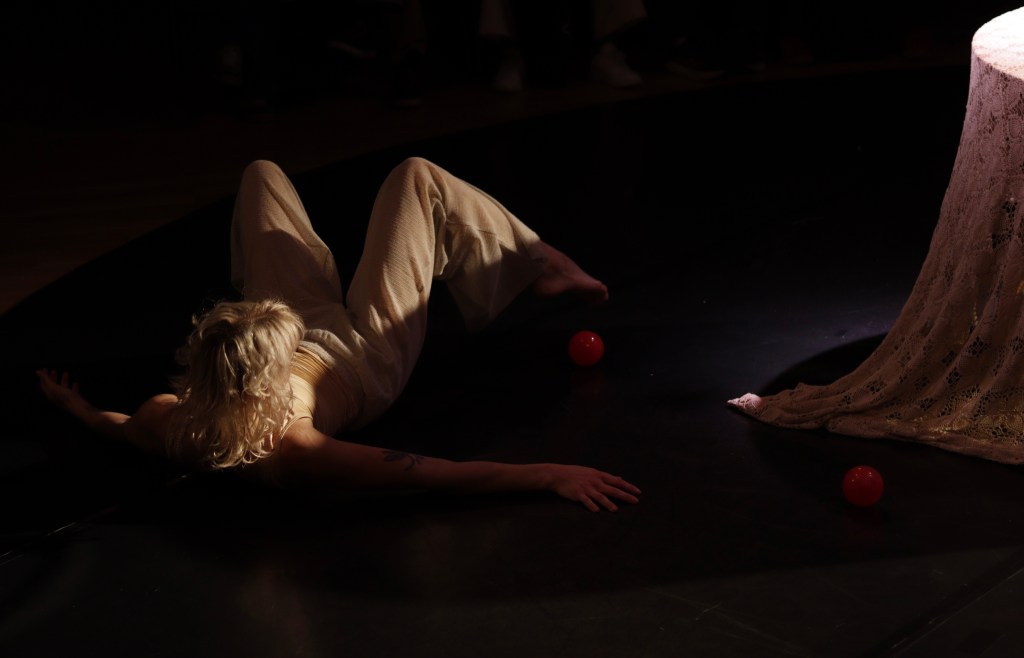
Waiting is the experience of time’s endless presence and its movement all around us — but what happens if nothing around me ever moves? I reach for the clouds, gathering dreams into my bag. Yet my dreams slip away, rolling under the crowded stands — do I belong there too? 

Notice me, I am waiting – And I continue to wait.

French: En attendant Godot, English: Waiting for Godot – Samuel Beckett, 1949.
I read the latest Finnish translation of the play, and in addition I read Martin Esslin’s study on Samuel Beckett’s life and thoughts from his book The Theatre of the Absurd, Third Edition, 2001.

In The Theatre of the Absurd, the themes of “Waiting for Godot” are discussed:

“It is to experience the action of time, which is constant change. And yet, as nothing real ever happens, that change is in itself an illusion. The more things change, the more they are the same. The theme of the uncertainty of the hope.”

The play is happening on a side of a road. There are two characters, and nothing happens — the characters simply wait for something to arrive. They do not remember why they are waiting, or whether they waited yesterday. The dialogue is absurd and circular, as are the events. The performance does not tell a story; it merely explores a static situation — and it was precisely this static and absurd situation that inspired me and that I wanted to explore in my own work.

“The most concise statement of its meaning and message lies precisely in its uncertainties and irreducible ambiguities and those are an essential element of its total impact.”

“The ebb and flow of uncertainty – from the hope of discovering the identity of Godot to its repeated disappointment – are themselves the essence of the play.”

Unlike at the end of the play, where the situation remains unresolved, in my own work I wanted to create an ending and resolve the situation — Waiting is Over. At least momentarily.

I reflected broadly on humanity: why does a person wait, and what is it that a person waits for? It is characteristic of human nature to be constantly dissatisfied and, after achieving something, to immediately wait for something else. I was inspired by this aspect of human nature, but I wanted to take a personal perspective on the object of waiting. What is it that I am constantly waiting for?

As inspiration for the content and themes throughout the work runs:

My own artistic — at times even painful — journey to this point.

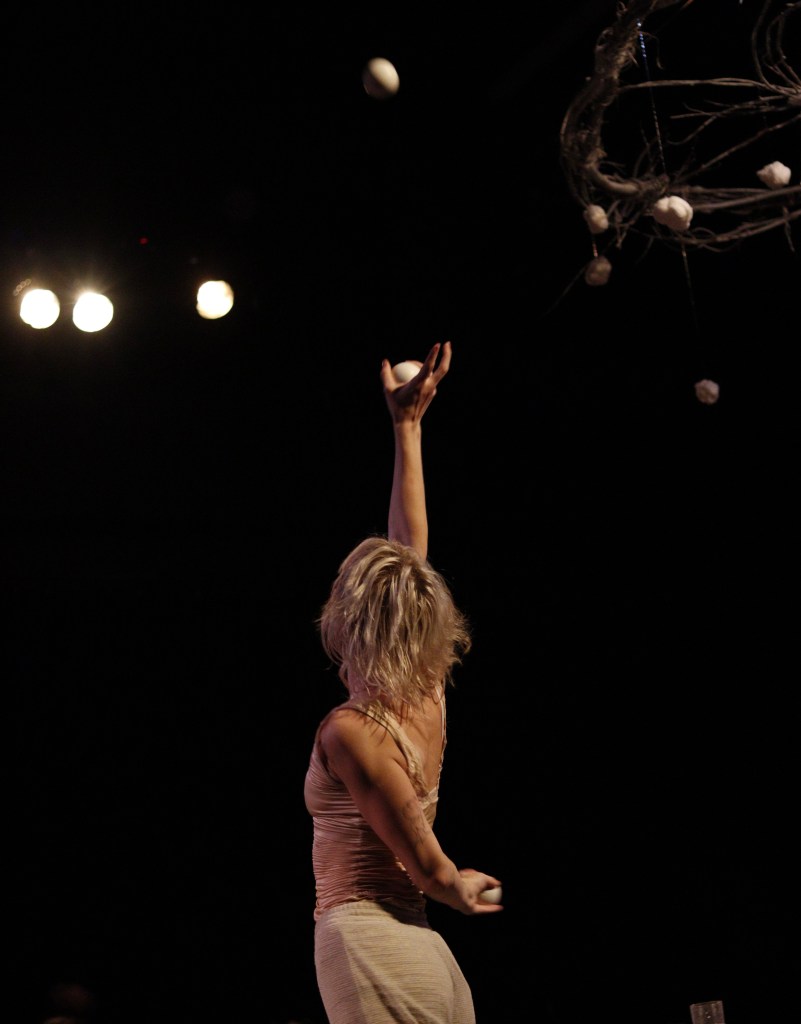
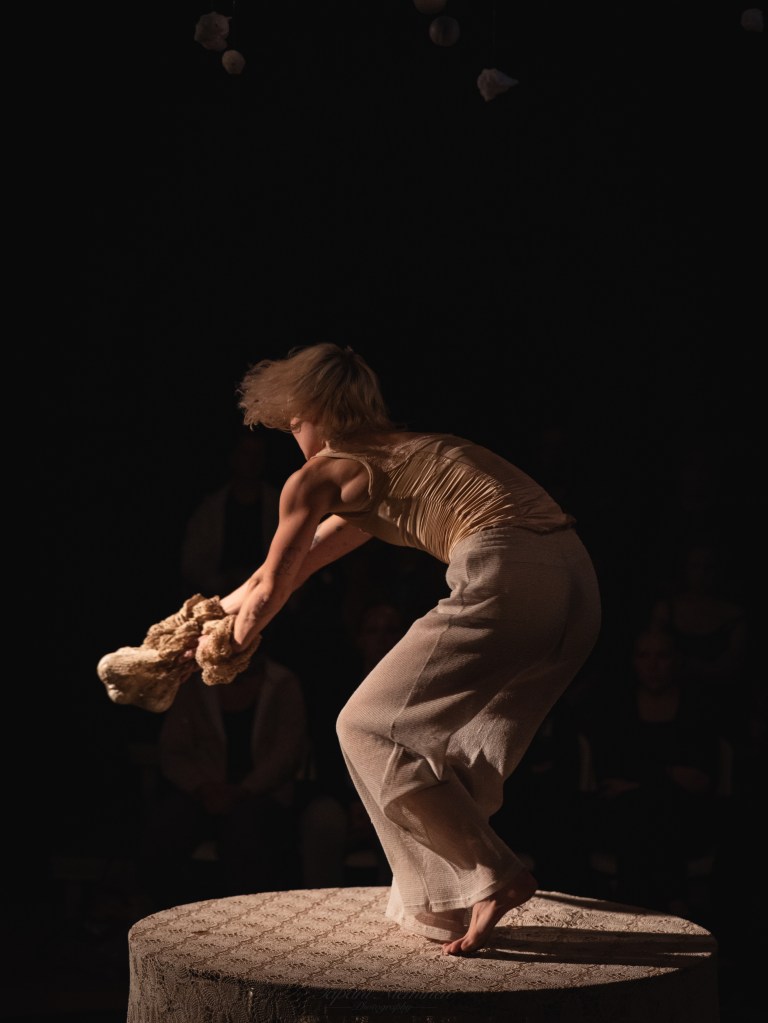
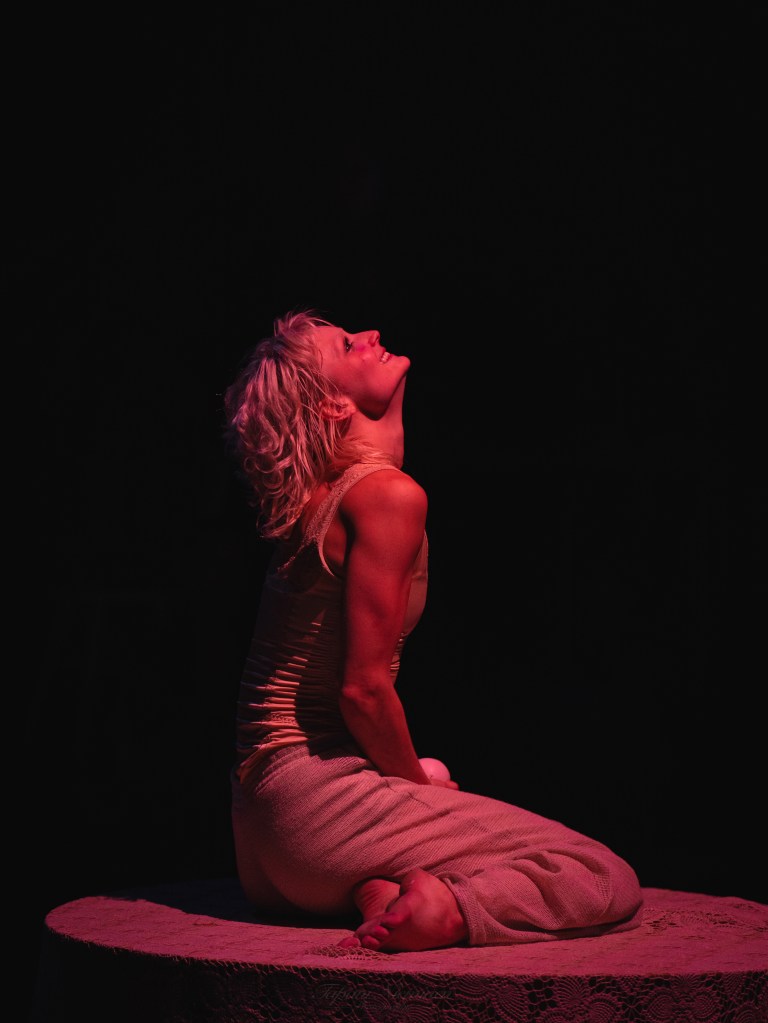
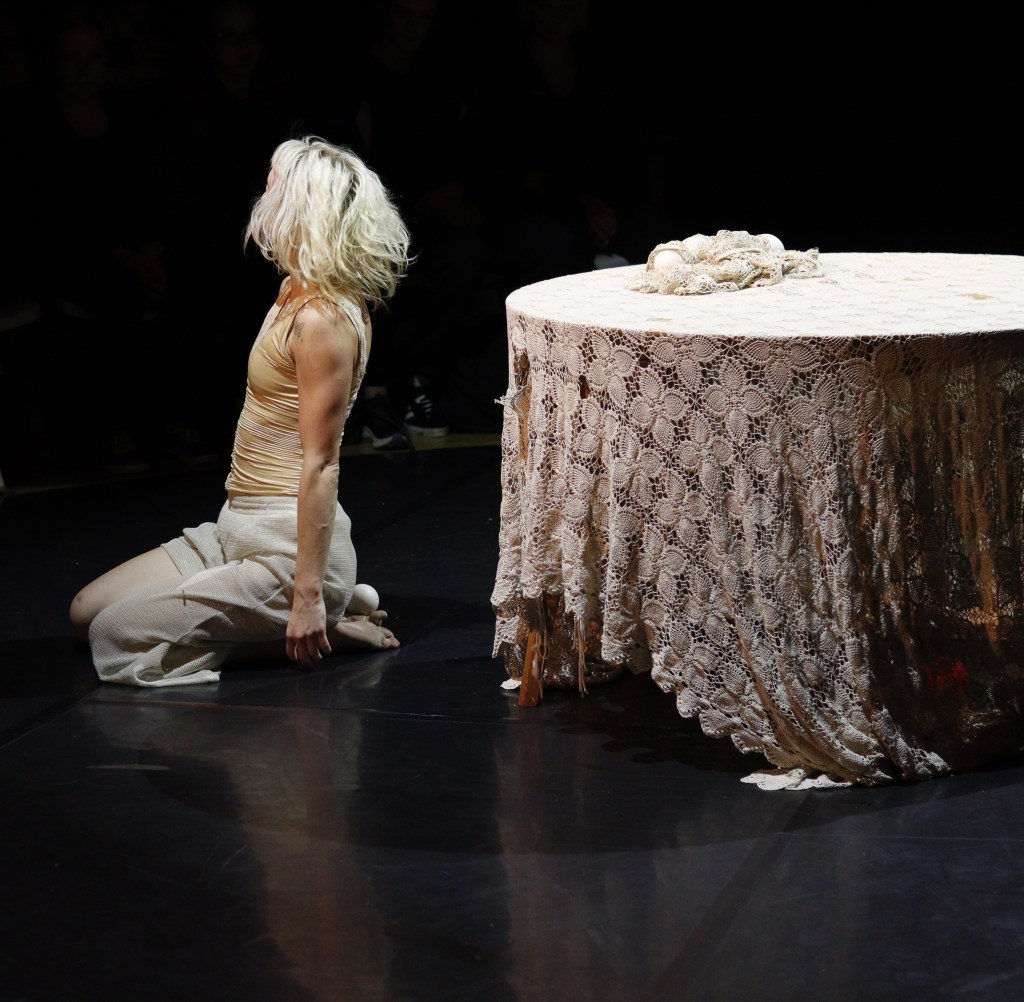
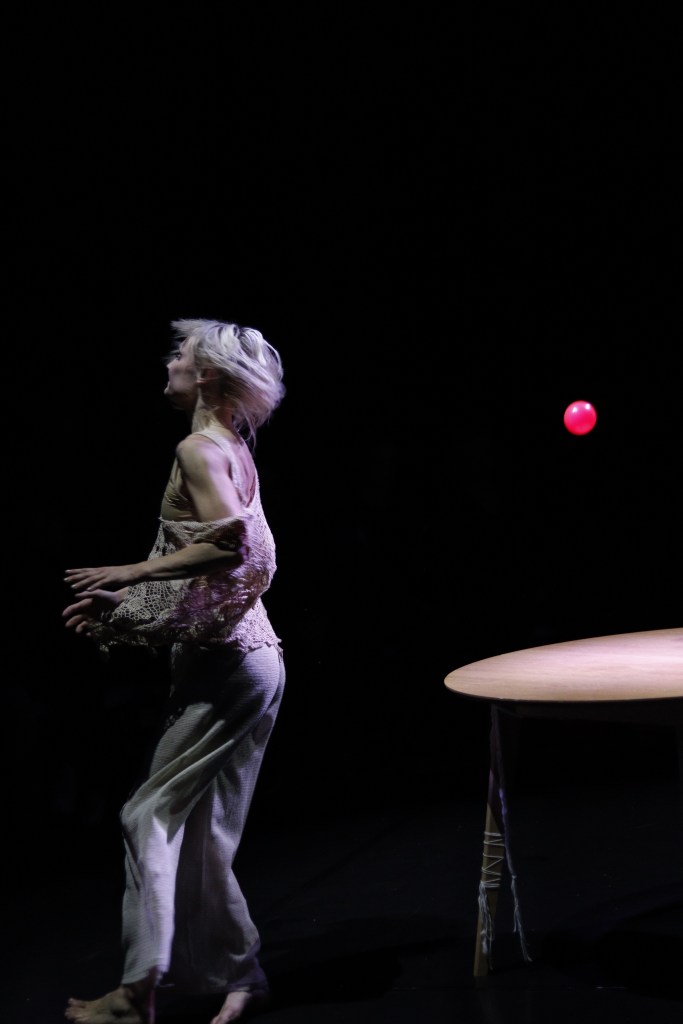
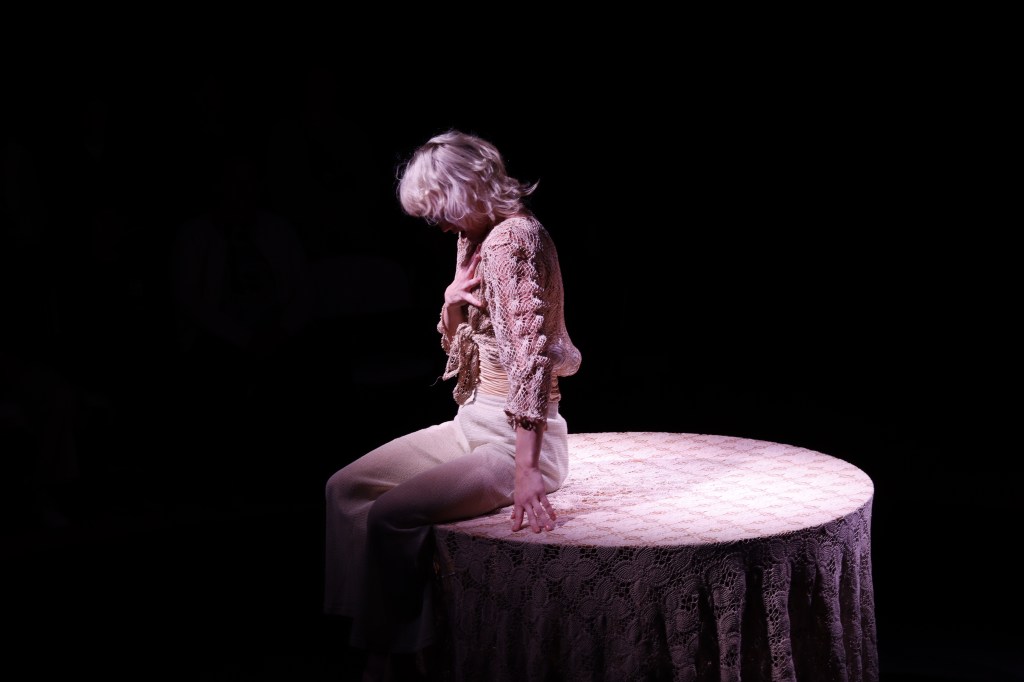
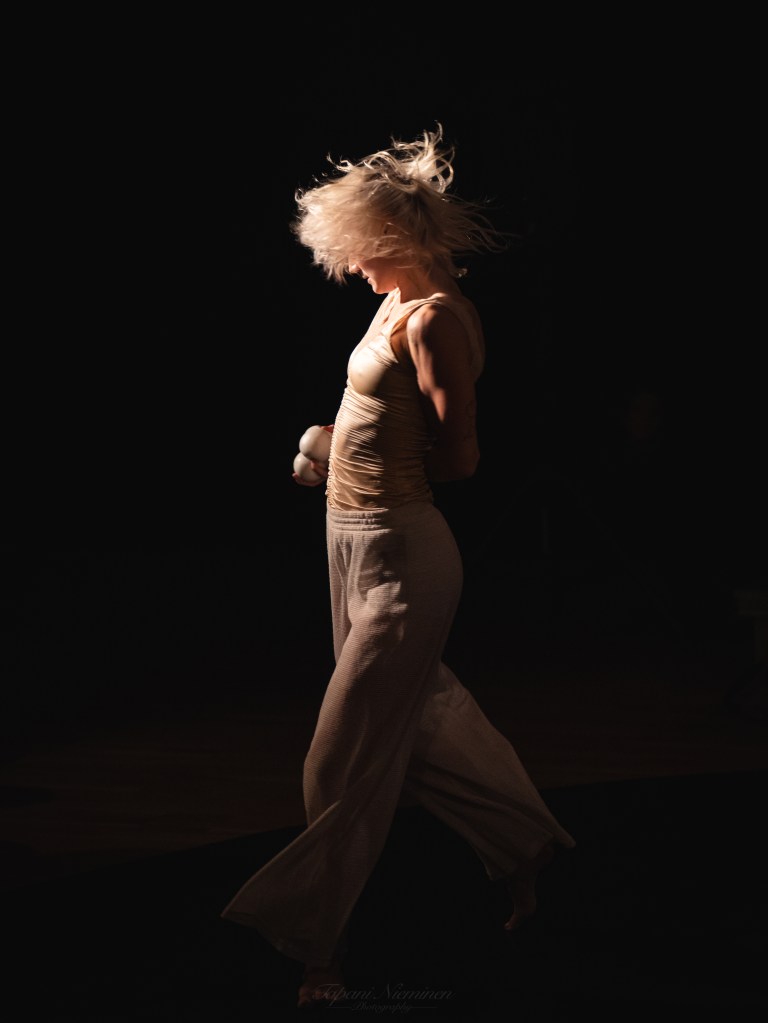
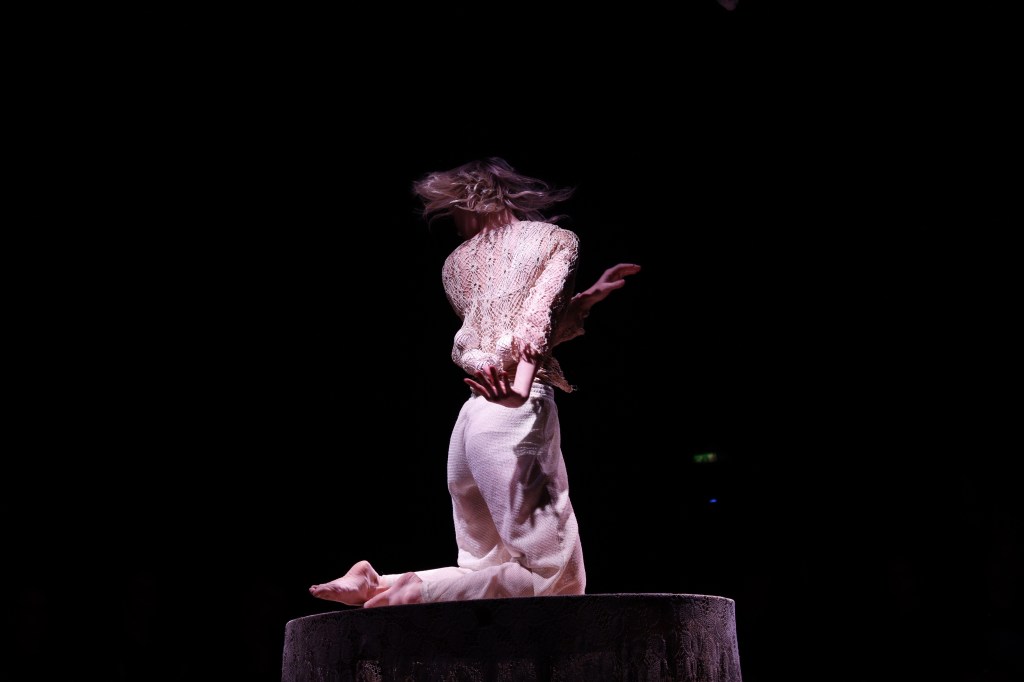
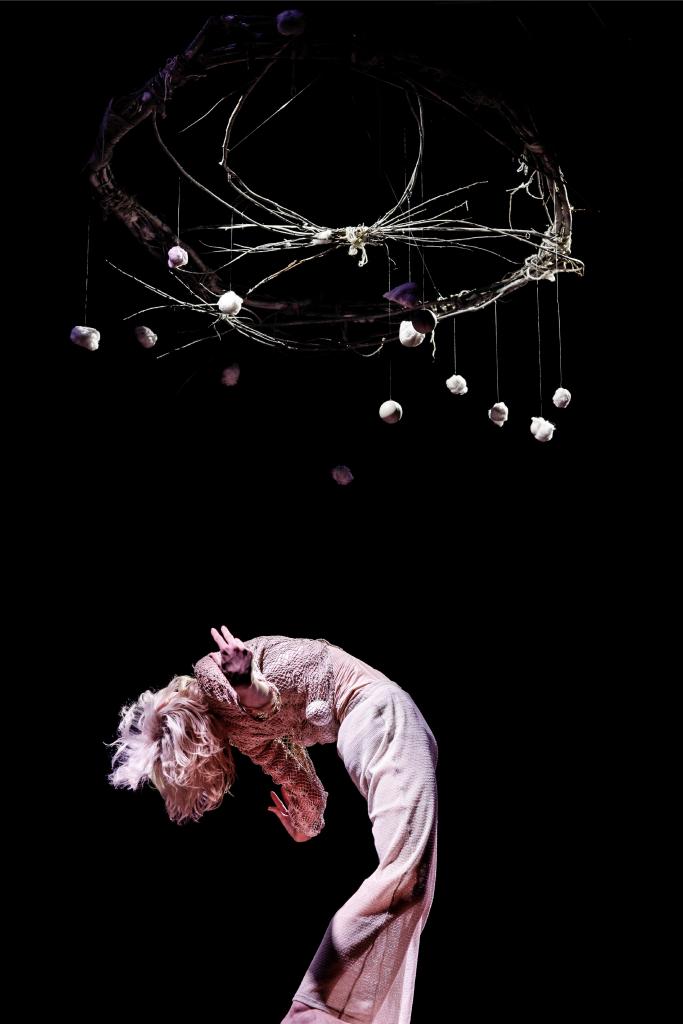
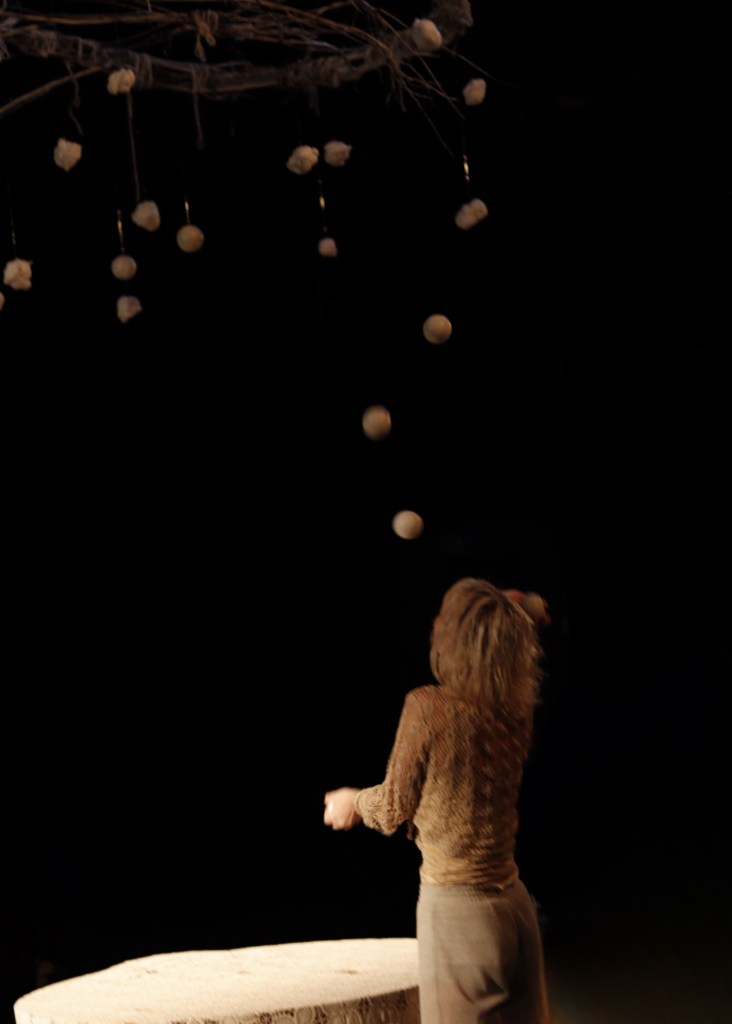
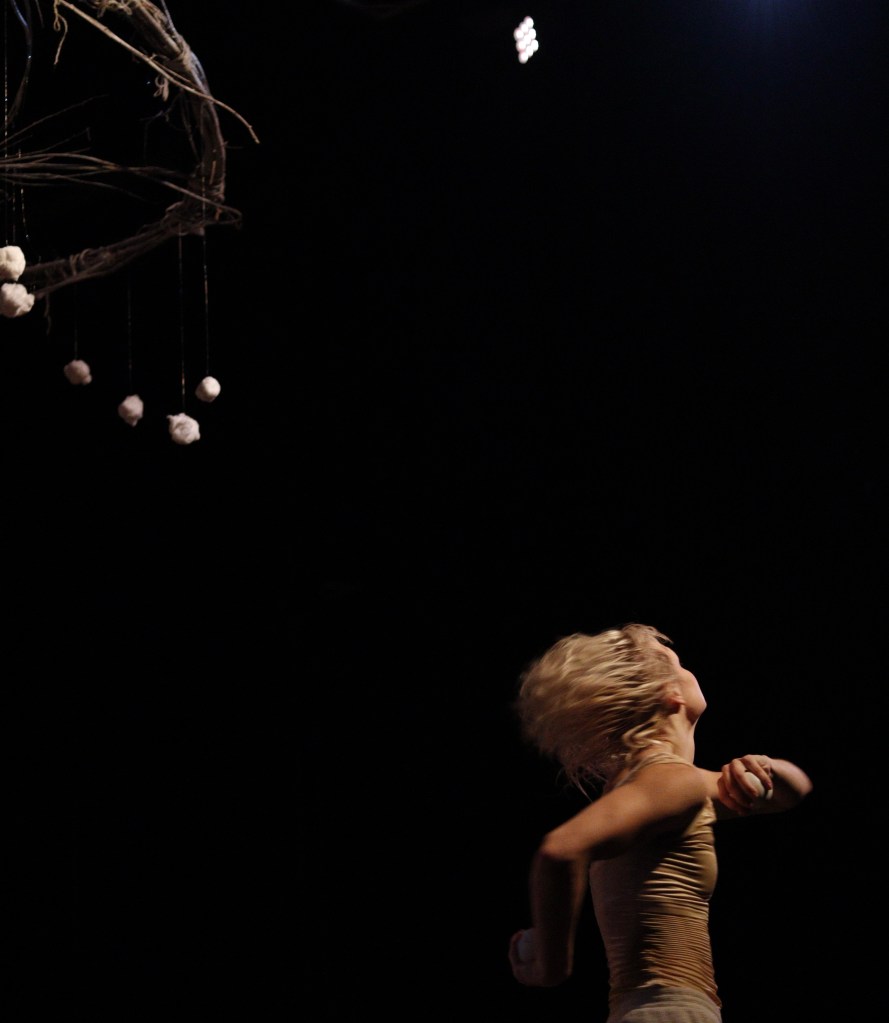
In different parts of the piece, I observe the emotions and moments that a young artist experiences along their journey. I have named the different sections of the work accordingly: dark place, cloud garden, delusions, giving up, inner fire, change, the roadside, and finally the spotlight. I wanted to create a performance about a path: my dreams, despair, and surrender. I have been waiting my whole life. Inside me something burns. I want water to extinguish the fire, but I am unable to drink. Everything takes place in an absurd space distorted by time and waiting, where willow trees grow from the sky and have formed, in the middle of the space, the moon and the sun, surrounded by a mass of clouds – the garden of my dreams. I reach for the clouds and juggle with them. At the end of the performance, the juggling balls turn into cotton.

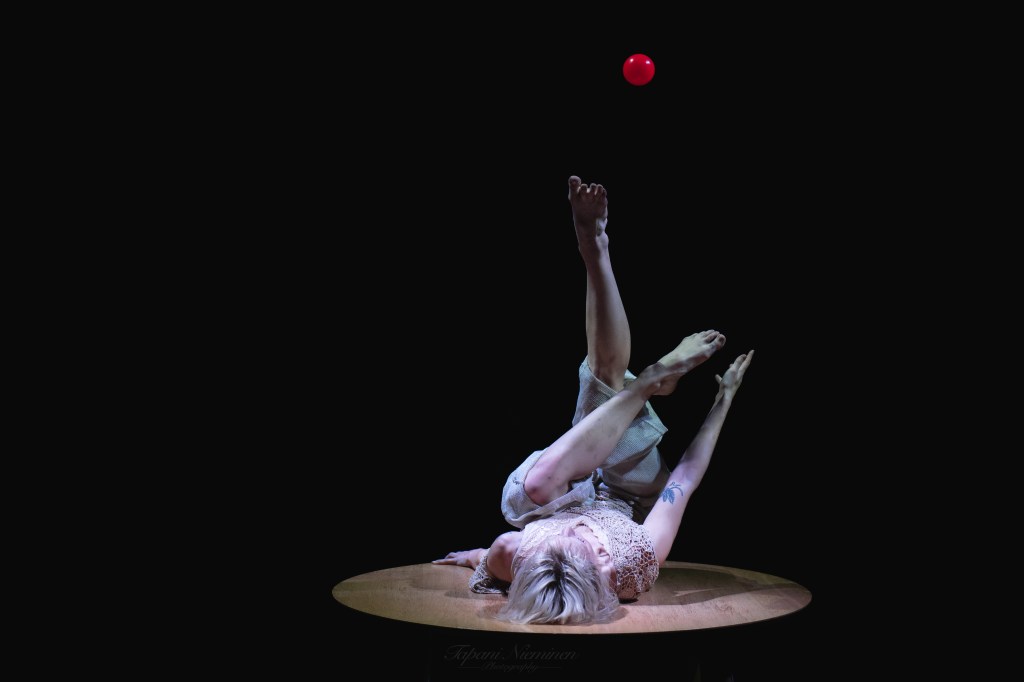
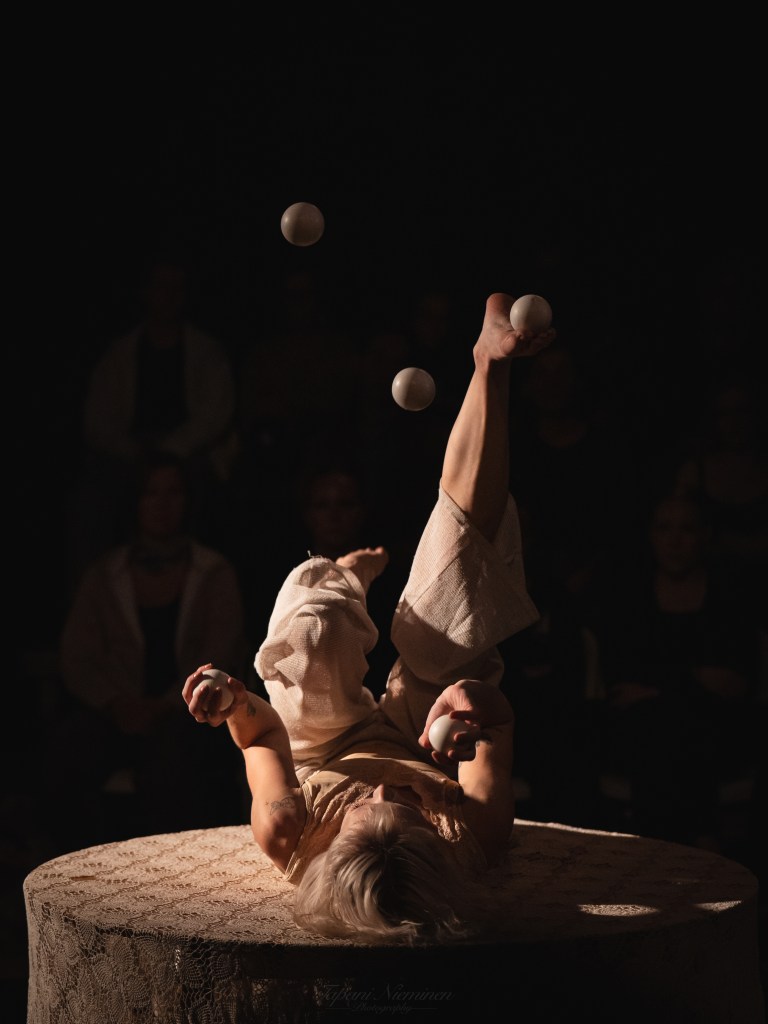
Only after discovering juggling and circus has my waiting finally come to an end. The performance is partly a tribute to the art of juggling, drawing inspiration from its fragility and endless possibilities. It explores storytelling in the form of juggling art and combines juggling, foot juggling, dance, spoken text, acting, music, and visual theatre.

The inspiration for the music and soundscape has, from the very beginning, been one of my favorite musical interpreters in the fields of jazz, blues, and soul:

Nina Simone (1933–2003)

The raw yet simultaneously soft use of her voice, along with the narrative quality and lyrical interpretation in her music, has always moved me. The entire performance (except for one piece produced by Nala Sinephro) has been built with Nina Simone’s music as its inspiration.